
Key Takeaways
- Personalized care plans are shaped around each resident’s routines, preferences, needs and goals.
- Care considers the whole person, including physical health, emotional well-being, social connection and spiritual needs.
- Personalized support can help residents maintain independence, choice and control in their daily lives.
- Care plans can be reviewed and adjusted as a resident’s needs change.
- Communication between residents, families and care teams helps keep care plans relevant over time.
What Is a Personalized Care Plan
When a loved one moves into assisted living, one of the first questions families ask is, “Will they actually be taken care of the way they need to be?” It’s a fair concern. Your loved one is still a unique person with their own history and preferences.
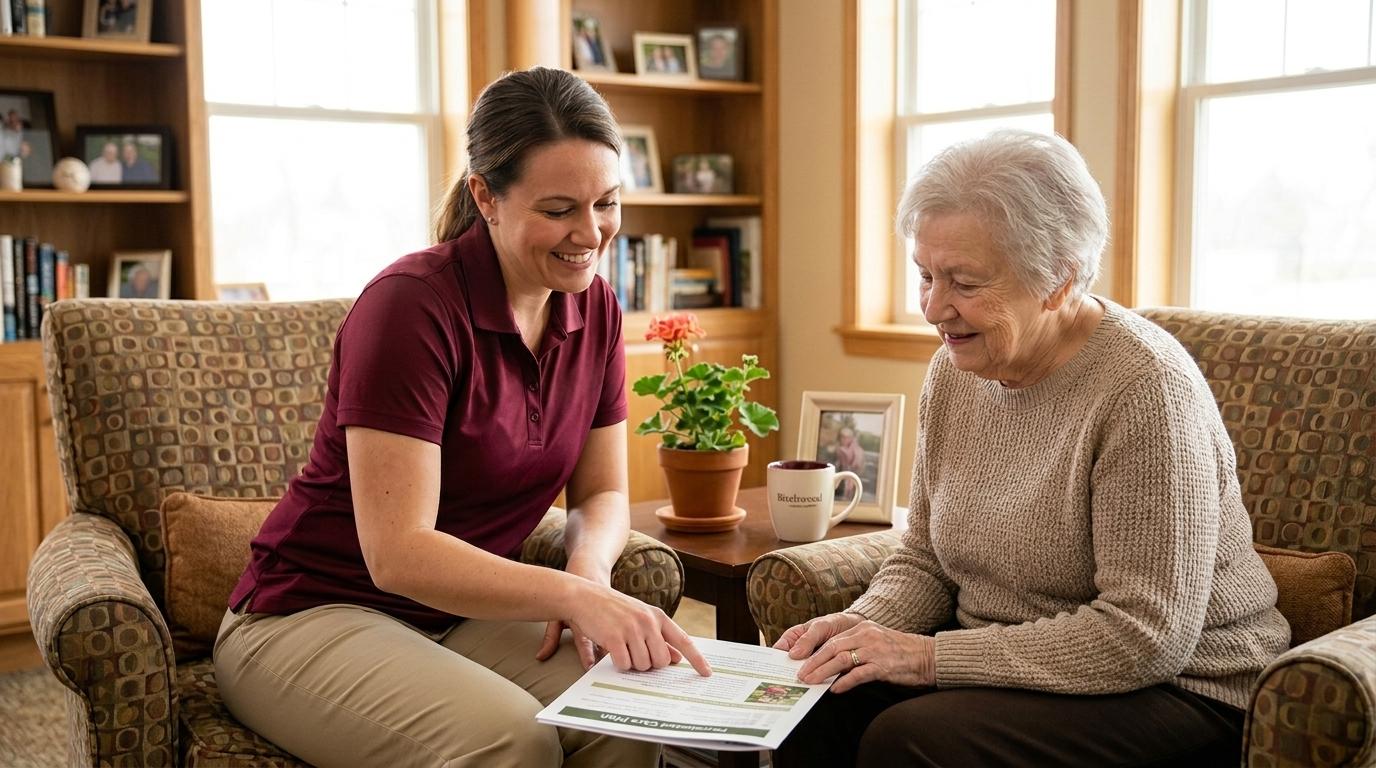
A personalized care plan considers each resident’s routines, preferences, health needs, and goals rather than following the same approach for everyone. The plan reflects who your loved one is, how they prefer to spend their day, and where they need support.
What Does a Care Plan Include
When deciding on a care plan for your loved one, the process starts with listening. The care team gets to know what a typical day looks like for them, what matters most, and where they may need a little extra support. This helps shape a plan that fits their needs while respecting the routines, preferences, and choices that make their day feel like their own.
Care plans are also reviewed and updated as needs change. Regular check-ins allow the care team to adjust the plan as your loved one’s needs shift over time. Understanding how long-term care can support changing needs can also help families feel more prepared for future care decisions.
What Does Personal Care Support
Physical Health & Daily Routines
A care plan can cover the day-to-day support that keeps your loved one feeling their best. This includes medication reminders, mobility assistance, and personal care. Your loved one can get the help they need without feeling like their independence is being taken away. Knowing what qualifies as daily support, including basic activities of daily living, can help families set realistic expectations and have more informed conversations with the care team.
Staying active and connected can also support well-being as life changes.
Emotional & Spiritual Well-Being
Physical health is only part of the picture. A personalized care plan can also consider emotional and spiritual needs. One-on-one counseling, spiritual groups, and programs led by dedicated chaplains can give residents a meaningful outlet and a sense of grounding.
Social connection matters, too. Planned activities, shared spaces, and opportunities to spend time with others can help residents stay connected to their community.
How Personalized Care Supports Independence
One of the biggest worries families carry into assisted living is the fear that their loved one will lose their independence. A personalized care plan can help residents maintain choice and control over their daily routines while receiving the support they need.
Residents can have a say in daily choices, from when they wake up to how they spend their afternoons. As their needs change, their care plan can be reviewed and adjusted.
That means the level of support can change with the resident’s needs rather than requiring them to follow a fixed routine.
Involving Families in Care
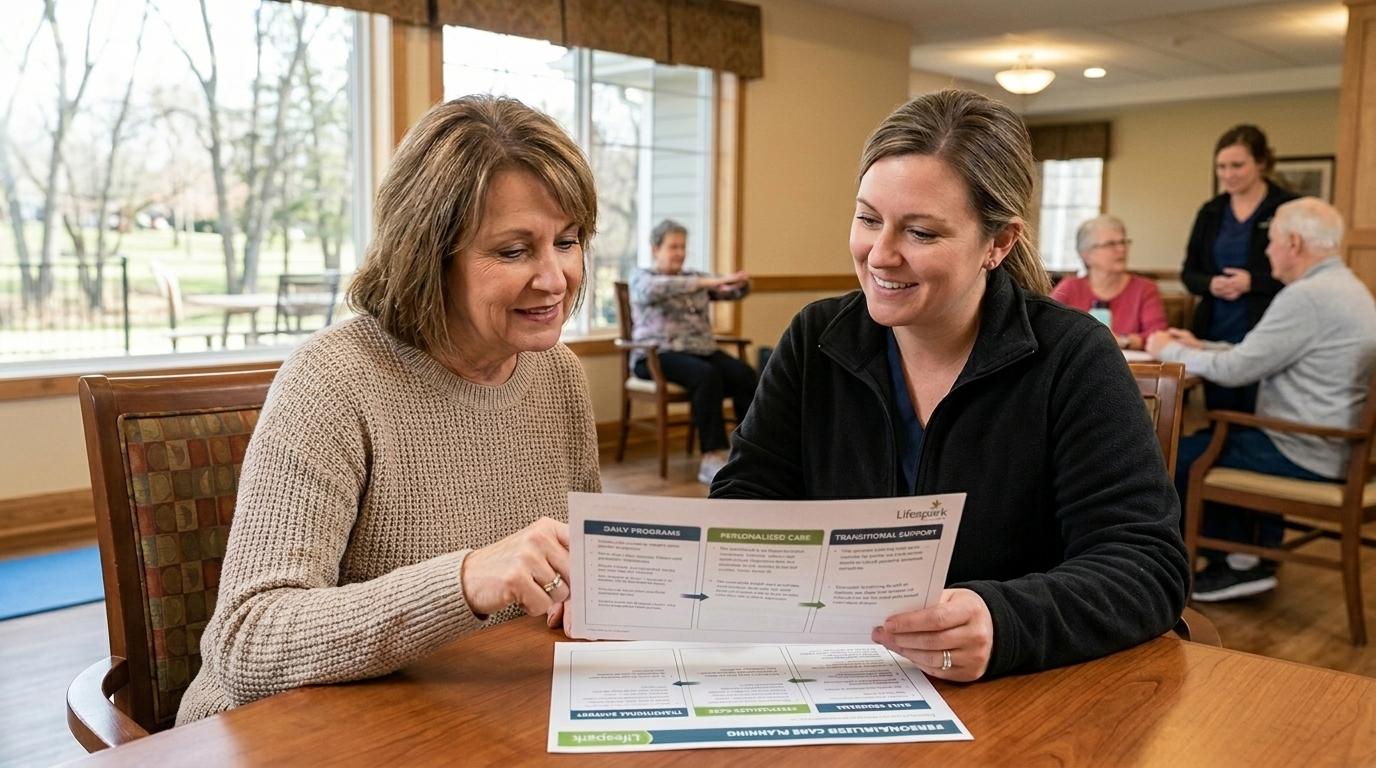
Families can be an important part of personalized care. Sharing what you know about your loved one’s routines, preferences, and needs can help the care team better understand what matters to them. Open communication also gives families a chance to stay involved as care needs change.
Assisted Living to Skilled Nursing
Sometimes a loved one’s care needs grow beyond what assisted living can provide. When that happens, skilled nursing may offer the additional level of care and support they need.
Skilled nursing provides ongoing care for individuals who need more hands-on support with daily needs, health conditions or recovery. As needs change, families and care teams can work together to reassess care and determine whether skilled nursing is the right next step.
Care That Fits Your Loved One
When exploring assisted living options, think about what will help your loved one feel comfortable and supported each day. A thoughtful care plan should reflect their needs, preferences and routines. It should also have room to change as those needs change.
At Birchwood Senior Living, personalized support is part of creating a community where residents can feel a sense of belonging, purpose and independence. Assisted living gives residents the support they need while leaving room to enjoy their routines, make choices and stay connected to the people and activities they love.
Contact us to schedule a tour to see what assisted living can look like for your loved one.