Key Takeaways
- Short-term rehabilitation helps people regain strength, mobility, and independence after a hospital stay.
- Skilled nursing care combines rehabilitation services with ongoing medical support and nursing oversight.
- Transitional care provides a structured environment for people who need additional recovery time before returning home.
- Families should compare communities by asking about therapy services, care coordination, and the overall environment.
- Personalized recovery plans and experienced clinical teams help support individual recovery goals.
- Social engagement, family communication, and a comfortable setting can contribute to a more positive rehabilitation experience.
After the Hospital, What Comes Next?
A hospital stay is often only one part of the recovery process. Once your loved one is ready for discharge, the next step is determining what type of support will help them continue healing safely and comfortably. For many families, that decision comes with questions about care needs, recovery timelines, and available options.
The good news is that several levels of care are designed to support people after hospitalization. From short-term rehabilitation to skilled nursing care and transitional support, each option serves a different purpose. When your family needs more hands-on support than you can realistically receive at home, you still have options.
Types of Rehabilitation and Senior Care Options
Not every recovery follows the same path. Some people need intensive therapy for a few weeks before returning home, while others require ongoing medical oversight or additional support as they regain strength.
Short-Term Rehabilitation
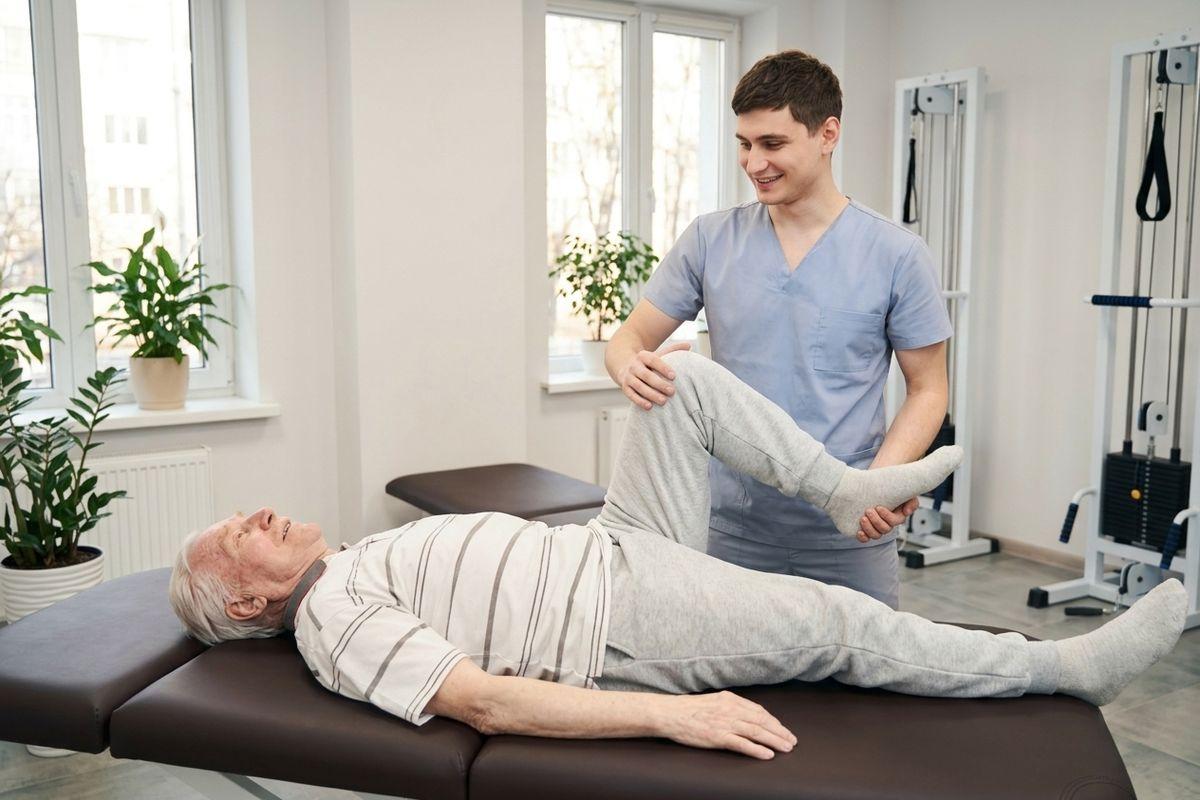
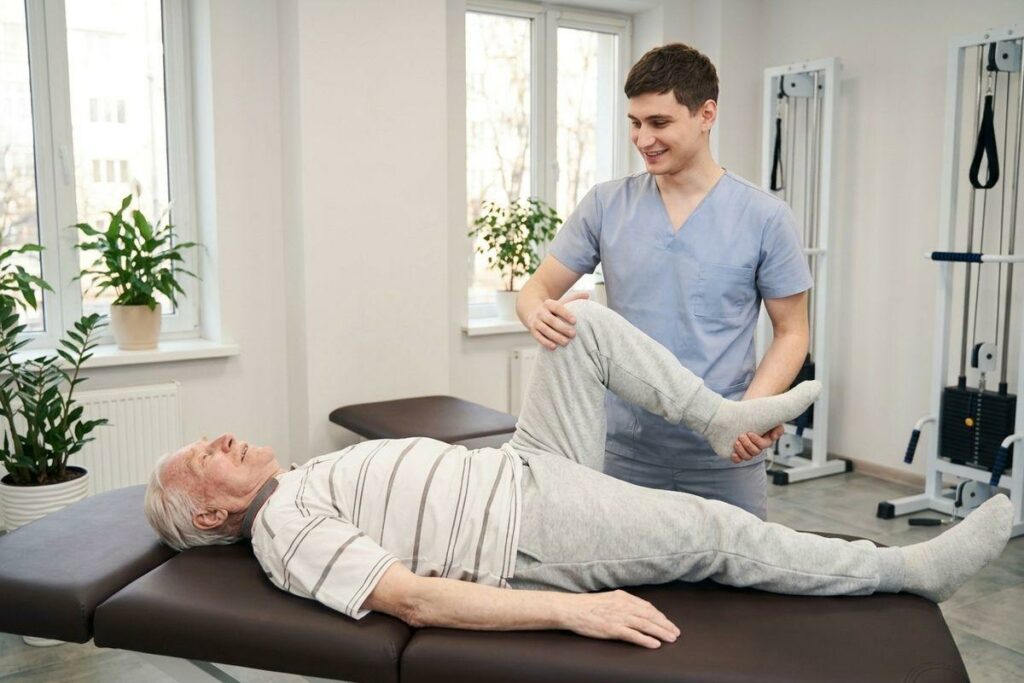
Short-term rehabilitation is often recommended after surgery, illness, injury, or a hospitalization that affects mobility or daily function. Residents typically participate in therapy several days each week while receiving support from healthcare professionals who monitor their progress. The goal is to help people rebuild strength, improve independence, and return home safely whenever possible.
Skilled Nursing Care
Skilled nursing care provides a higher level of medical support while still incorporating rehabilitation services. This option may be appropriate for someone recovering from a complex medical condition, managing multiple health concerns, or requiring nursing oversight throughout the day. In addition to therapy, residents may receive medication management, wound care, and other clinical services.
Transitional Care and Long-Term Support
Some individuals recover quickly, while others need additional time before they are ready to return home. Transitional care helps fill that gap by providing support in a structured environment while recovery continues. In situations where ongoing assistance is needed, long-term support options may also become part of the conversation.
Key Questions to Ask When Comparing Your Choices
Once you understand the different types of care available, the next step is comparing communities. Looking beyond brochures and marketing materials can give you a clearer picture of what daily life and recovery will actually look like.
What Therapy Services Are Available?
Therapy is often one of the most important parts of post-hospital recovery. Ask what types of therapy are available, how frequently residents receive services, and whether therapy is offered on weekends. It’s also helpful to understand how progress is measured and how recovery goals are established.
How Is Care Coordinated?
Recovery often involves physicians, nurses, therapists, and family members working toward the same goal. A strong rehabilitation program should have clear communication between all members of the care team. After all, consistent communication can make the recovery process feel much more organized and predictable.
What Does the Community Environment Feel Like?
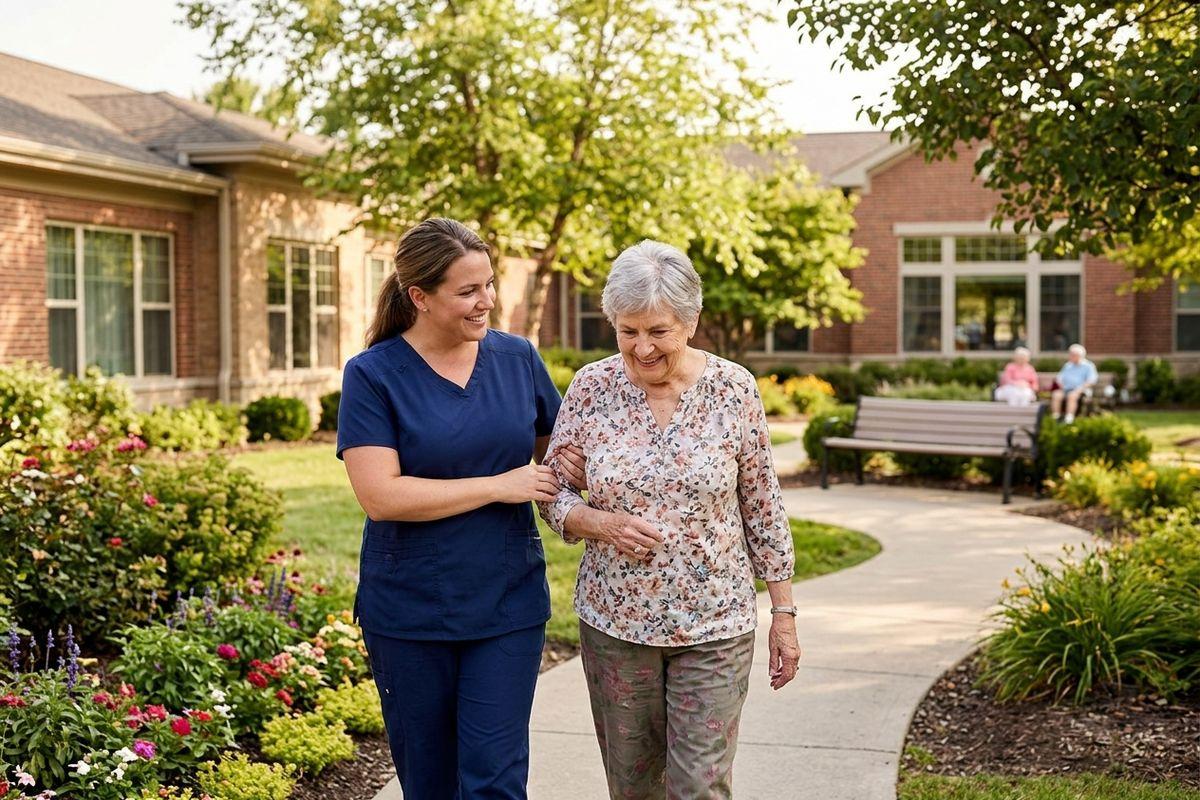
The atmosphere of a community can have a significant impact on comfort and confidence during recovery. As you tour, pay attention to how caregivers interact with residents and whether the environment feels welcoming and well-maintained. Observe common areas, dining spaces, and therapy rooms whenever possible.
What a Supportive Rehabilitation Community Actually Looks Like
The best rehabilitation communities support more than physical recovery alone. They recognize that healing is influenced by emotional well-being, social connection, and the quality of everyday experiences. While every community is different, there are several qualities families should look for when evaluating their options.
Personalized Recovery Plans
No two residents arrive with the same goals, health history, or recovery timeline. Personalized care plans allow rehabilitation teams to tailor services around each person’s specific needs. This approach helps ensure therapy remains meaningful and relevant throughout the recovery process. It also allows care plans to evolve as progress is made.
Experienced Clinical Support
Recovery can involve setbacks, adjustments, and unexpected challenges along the way. Experienced nurses, therapists, and healthcare professionals help residents navigate those changes while maintaining focus on long-term goals. Their expertise helps create a safer and more supportive environment for recovery.
Opportunities for Social Connection
A hospital stay can leave people feeling isolated or disconnected from their normal routines. Rehabilitation communities that encourage social interaction can help residents stay engaged while they recover. Whether through group activities, shared meals, or casual conversations, these connections can support emotional well-being.
A Comfortable, Home-Like Environment
The transition from hospital to rehabilitation can feel less stressful when the environment is warm and welcoming. Comfortable surroundings help residents settle into a routine and focus on their recovery rather than their surroundings. Small details, from inviting common spaces to friendly caregiver interactions, can make a meaningful difference.
How to Move Forward After Hospitalization
Finding the right rehabilitation facility after hospitalization takes time, questions, and careful consideration. By understanding your options and evaluating communities thoughtfully, you can make a decision that supports both recovery and long-term well-being. The goal isn’t simply finding care—it’s finding the right environment for healing and progress.
At Birchwood Senior Living, we understand that every recovery journey is unique. Our team is committed to providing personalized support, rehabilitation services, and compassionate care that helps residents regain confidence and work toward their goals. Schedule a tour with Birchwood Senior Living today to learn more about your rehabilitation and care options.